
No. 09 Pattern · 7 min read
Understanding Shirt Patterns
Every pattern carries a level of formality. Learn to read it, and you will always know which shirt belongs in which room.
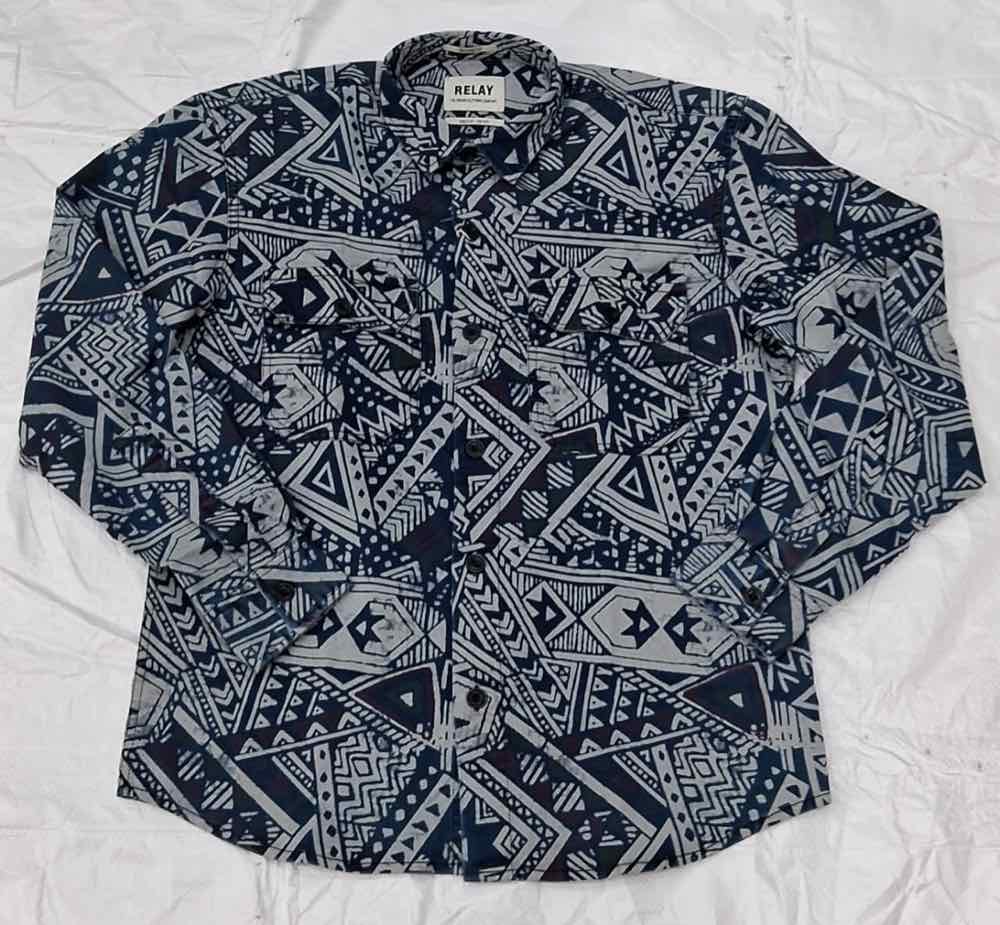
Pattern is a language. A hairline stripe whispers; a large check speaks up; a bold print shouts. None is wrong, but each belongs to a different setting. A simple rule governs them all: the smaller, finer and more tonal the pattern, the more formal the shirt.
The formality scale
| Pattern | Formality | Best for |
|---|---|---|
| Solid | Highest | Every setting |
| Hairline / fine stripe | High | Formal meetings, daily office |
| Pinstripe | High | Formal settings, tailoring |
| Micro-check, dobby | High to medium | Daily office, presentations |
| Bengal / candy stripe | Medium | Daily office, business casual |
| Tattersall, small gingham | Medium | Everyday, travel, Fridays |
| Large check, plaid | Low | Business casual, weekends |
| Prints, florals, geometrics | Lowest | Evenings, creative settings, leisure |
Stripes
Stripes are the most office-friendly pattern. Hairline stripes are so fine they read as texture. Pinstripes are thin lines on a darker ground, echoing formal tailoring. Bengal stripes have equal bands of colour and white and look bold and confident. Vertical stripes visually lengthen the torso, which flatters most builds.
Checks
Gingham is a two-colour check of even squares; small gingham is office-appropriate, large gingham is casual. Tattersall uses thin lines of two colours on a light ground and has a traditional feel. Windowpane is a large, open grid of thin lines. Micro-checks are so small they read as a textured solid.
Textures and micro-patterns
Dobby weaves, herringbone and tiny woven dots create pattern through the structure of the cloth rather than print. They add depth to solid colours and are some of the most elegant choices for formal office dressing.
The smaller the pattern, the bigger the room it can walk into.
Prints
Florals, paisleys, abstract and geometric prints are expressive and personal. They have their place — evening events, creative industries, weekends — but in most offices they are best kept for after hours. If you wear a print to work, choose a small, tonal one and keep everything else plain.
Combining patterns
- Patterned shirt, plain trousers — always.
- With a tie, vary the scale: a fine stripe shirt with a larger-patterned or solid tie.
- Repeat one colour from the shirt’s pattern in the tie or trousers to connect the outfit.
- Avoid two patterns of the same size and type side by side.
Patterns on camera
Very tight stripes and micro-checks can create a shimmering effect on video. For presentations that will be filmed or streamed, choose solids, wider stripes or textured fabrics.
Recommendations
Build most of your office wardrobe from solids, fine stripes and micro-checks, then add checks and textures for variety. See patterns side by side in the pattern section of the laboratory.